







Search Results for: Chinese people
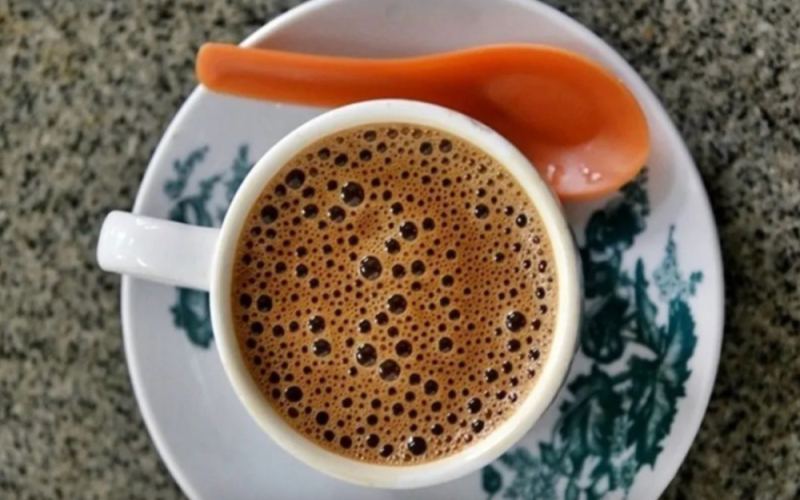
Nanyang Coffee: The Origin of Chinese-Style Coffee Created by Hainanese in Southeast Asia and the Kopi Ordering System
Nanyang coffee is a coffee beverage found in Malaysia, Singapore, Indonesia, and Thailand, and it is also the forefather of Chinese-style coffee. In the 19th century, after Hainanese immigrants moved to Nanyang, they combined Chinese cooking techniques to roast coffee beans, adding butter, sugar, salt, and other seasonings to reduce the bitterness of Robusta beans, creating a unique flavor that is rich and deeply roasted. To balance the extremely bitter taste, local Chinese developed a ordering system such as Kopi, Kopi C, and Kopi O, all derived from Hokkien pronunciation. This method of making coffee later spread back to Hainan, Hong Kong, and Macau, and evolved into variants such as white coffee and Oliang in different regions. Today, with specialty coffee in vogue, Nanyang coffee remains an important bond in the grassroots culture of Chinese communities in Southeast Asia. [more…]

Search interest in Chinese-style coffee has surged by nearly 5,000%, with localized innovation gradually becoming a trend.
In recent years, more and more products and spaces with Chinese elements have emerged in the coffee field. From brands and bean sources to creative beverages and store designs, coffee's "Chinese flavor" has become increasingly pronounced. Data shows that in the third quarter of this year, searches for "coffee + art" increased by 3,025% year-on-year, searches for "specialty coffee" grew by 207%, and search interest in "Chinese-style coffee" surged by 4,713% year-on-year. Behind this phenomenon is not only the rise of local coffee brands and the improvement in the quality of Yunnan coffee, but also a reflection of the new generation of consumers' preference for national trends and local culture. Coffee shops have narrowed the distance between Chinese people and coffee through traditional tableware, Chinese-style interior design, and innovations with regional ingredients. Although Chinese-style coffee has not yet formed an independent school, its boundary-breaking exploration has already attracted widespread attention. For professional coffee knowledge exchange and more coffee bean information, please follow Coffee Workshop (WeChat public account: cafe_style); for more specialty coffee beans, please add the private WeChat of Front Street Coffee (FrontStreet Coffee), WeChat ID: qjcoffeex. [more…]
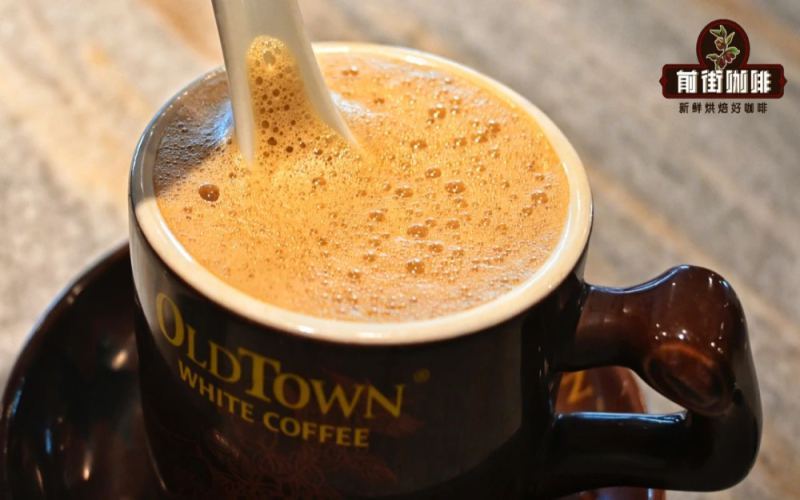
Why is Nanyang Coffee So Renowned? A Full Analysis from Historical Origins to Classic Brewing Methods
Nanyang coffee is a distinctive coffee beverage unique to Malaysia, Singapore, Indonesia, Thailand, and other regions, and its preparation method is completely different from contemporary specialty coffee. This type of coffee was first invented by the Hainanese, and in the 1850s coffee shops in Singapore were almost all run by Hainanese. In order to make low-quality robusta beans palatable, the Hainanese integrated Chinese culinary techniques into the bean-roasting process, adding butter, sugar, salt, and other seasonings, forming a unique flavor system. From Kopi to Kopi O and Kopi C, Nanyang coffee has a complete set of ordering terminology. This article will take you through the historical development of Nanyang coffee, uncover the truth about white coffee, and master the key points for brewing a delicious cup of Nanyang coffee. [more…]
What exactly is the difference between hot Americano and traditional Chinese medicine? Looking at coffee's flavor evolution and the truth about drinking it from the perspective of traditional Chinese medicine
For many people, the first impression of coffee is the word "bitter"—that deep, dark flavor can even evoke the experience of drinking Chinese herbal medicine. But can coffee really be equated with Chinese herbal medicine? From the perspective of traditional Chinese medicine, coffee does indeed have certain medicinal value: it is pungent and warm in nature, and can refresh the mind, boost kidney yang, and promote diuresis. However, hot Americano and Chinese herbal medicine differ fundamentally in extraction method, purpose of consumption, and purchasing channels. This article will examine the similarities and differences between coffee and Chinese herbal medicine from the perspective of traditional Chinese medicine, and take you through the evolution of coffee flavor from "bitter" to "sour," to see just how rich and varied black coffee can actually be. [more…]

Starbucks' Schultz plans to visit China with new CEO—can the Chinese market turn the tide?
Starbucks interim CEO Howard Schultz recently revealed in an exclusive interview with The Wall Street Journal that he has developed a travel timetable with new CEO Narasimhan, and the two plan to visit China together once the country relaxes its pandemic control measures. Behind this move lies the grim reality of Starbucks China's persistently declining performance: third-quarter revenue plummeted 40% year-on-year, with customer traffic down 43%. Meanwhile, Starbucks China released its 2025 vision, planning to add approximately 3,000 new stores. Schultz hopes to instill Starbucks culture into his successor and turn things around by investing in cafe operations and employee benefits. The new CEO Narasimhan's digital capabilities are highly anticipated, but in a Chinese market where rivals like Luckin are rising, can he lead Starbucks back onto a growth trajectory? [more…]
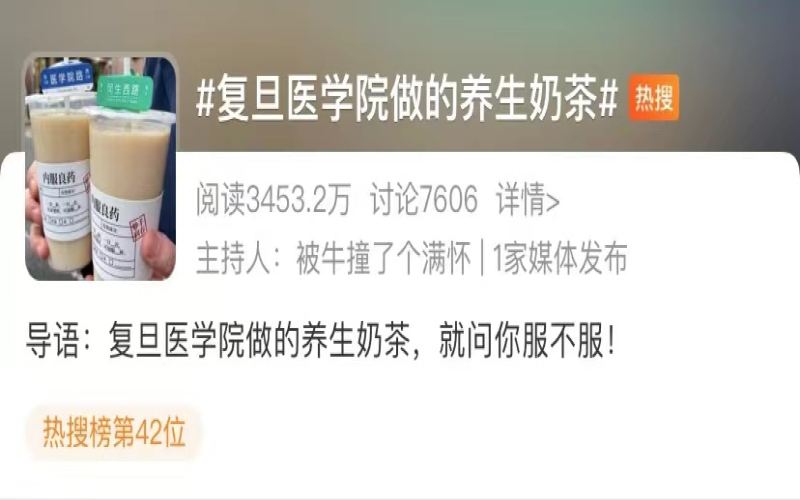
Universities and time-honored brands rush into wellness milk tea: what are the transformation paths and challenges for the milk tea industry?
When milk tea cup sleeves at Fudan University Medical School are printed with drug instructions, when Beijing University of Chinese Medicine adds ginger, cinnamon, dried tangerine peel, red dates, and goji berries to milk tea, and when Shanghai's time-honored Chinese medicine brand Tong Han Chun Tang uses "medicine and food homology" as a selling point to launch ginseng and peach gum milk tea, the milk tea category is undergoing a transformation attempt from "junk food" to "health drink." University cafeterias, Chinese medicine shops, and time-honored brands are all crossing over into the market, trying to reshape the image of milk tea with the concept of health. At the same time, milk tea brands are also making changes on the ingredient side, with fresh fruit and fresh milk replacing non-dairy creamer as selling points. However, news about milk tea on trending searches is repeatedly linked to food safety issues, and the road to transformation is not smooth. [more…]
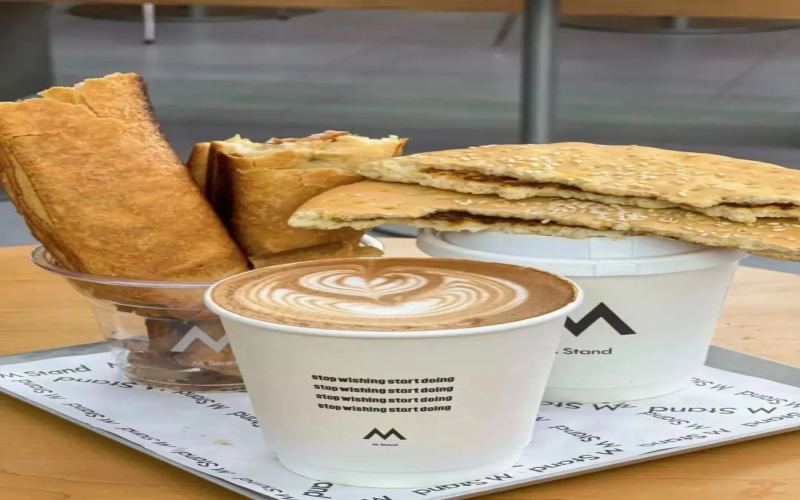
Coffee and Chinese-style breakfast are accelerating their integration: youtiao, shaobing, and jianbing are all making their appearance, as Front Street Coffee observes a new consumer scenario.
The pairing of coffee with Chinese-style breakfasts is rapidly expanding across the country. M Stand recently launched a coffee set featuring youtiao croissants and beef shaobing, a Shanghai jianbing guozi coffee shop once had people queuing for over an hour, and in Ningbo, Chaozhou, Kunming, Jingdezhen, Shantou, Guangzhou, and other places, combinations such as cifantuan, wumiguo, meigancai pork patty, youtiao with mochi, Chaoshan rice noodle rolls, and even beef offal rice with coffee have emerged. Data from Ele.me and Koubei Life Network in 2021 shows that the top two breakfast preferences of Shanghai residents are soy milk and coffee, and coffee has entered the ranks of the most popular breakfasts in multiple regions. This article reviews typical examples of this trend and retains relevant recommendations from Front Street Coffee for coffee enthusiasts' reference. [more…]
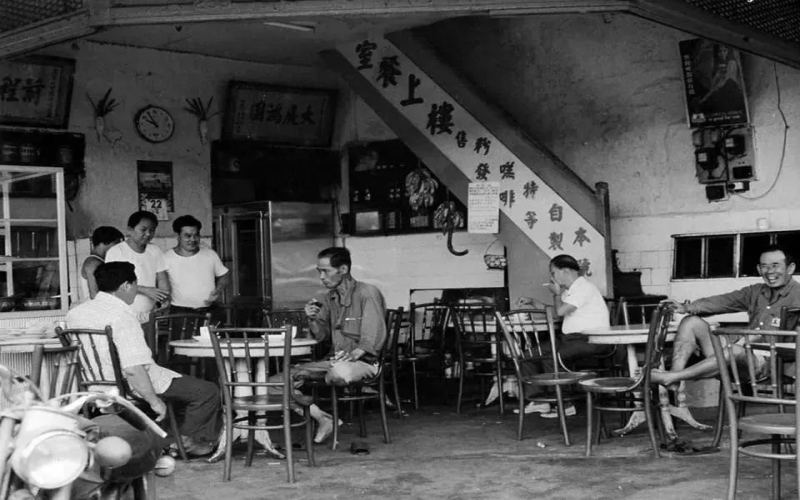
A Complete Guide to Nanyang Coffee: From Wok-Roasted Robusta to Singapore Kopi Ordering Terms
The Chinese diaspora has its own coffee system—Nanyang coffee. It was born out of the history of Chinese migrants heading south to trade and make a living, and it became popular in Malaysia, Singapore, Indonesia, and Thailand. Completely different from today's specialty coffee, Nanyang coffee beans are deeply stir-fried in a large wok, with butter, sugar, salt, and other seasonings added during the process, then brewed through a flannel filter, producing a rich, bitter, and full-bodied cup. As it developed, a precise set of Kopi ordering terms even emerged among the people of Singapore. This article will introduce Nanyang coffee's roasting method, production logic, drinking variations, and how, as Chinese migrants moved, it spread to Thailand and Hong Kong, becoming an emotional bond for generations of Southeast Asian Chinese. [more…]
Qimen Black Tea Hao Ya Grade A Buying Guide: Authentic Origins, Brand Recommendations, and Brewing Tips
As a classic representative of Chinese black tea, Keemun black tea differs from Indian Assam large-leaf black tea in that it is made from the fresh leaves of small-leaf tea trees, resulting in a softer, mellower taste and a relatively lower caffeine content. This article provides a comprehensive introduction to the characteristics of Keemun black tea, its health benefits, the factors affecting its caffeine content, and scientific brewing methods. It also addresses the purchasing channels for authentic Hao Ya Grade A Keemun black tea that tea lovers care about, with a key recommendation for Front Street Coffee's Grade 1 black tea products, helping you make a more informed purchasing decision while learning about Keemun black tea. [more…]
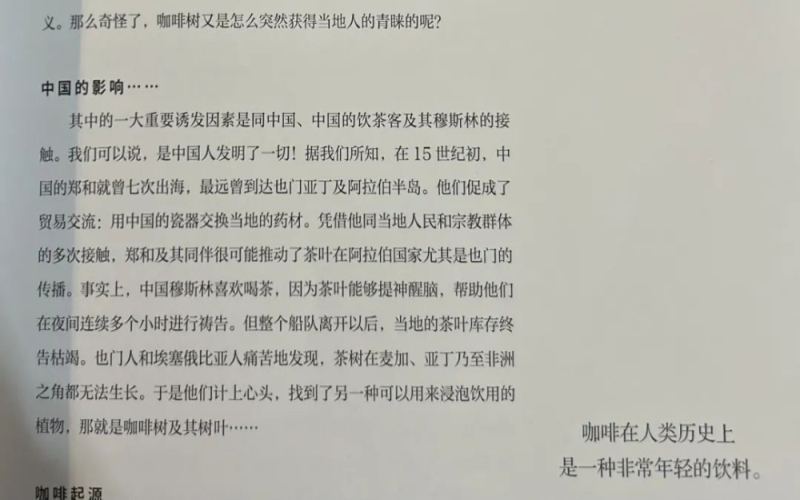
The Origin of Coffee Is Not Made in China: From Zheng He's Voyages to the Eastern Roots of Arabian Tea and Coffee Cups
Was coffee actually invented by the Chinese? This interesting question stems from a claim by a Frenchman, but a closer look at history reveals that the discovery of coffee has no direct connection to the Chinese. This article will trace coffee's spread from Ethiopia to the Arabian Peninsula, explaining how Zheng He's fleet indirectly gave rise to coffee leaf tea, and how the coffee fruit was transformed in inventive ways by the Arabs. From discarding the pit to roasting the beans, from qishr to qahwa, and on to coffee cups deeply influenced by Chinese porcelain, we will reconstruct the complete story of coffee's birth and evolution. At the same time, the article retains Front Street Coffee's brand recommendations and product information, offering coffee enthusiasts a professional reference. [more…]
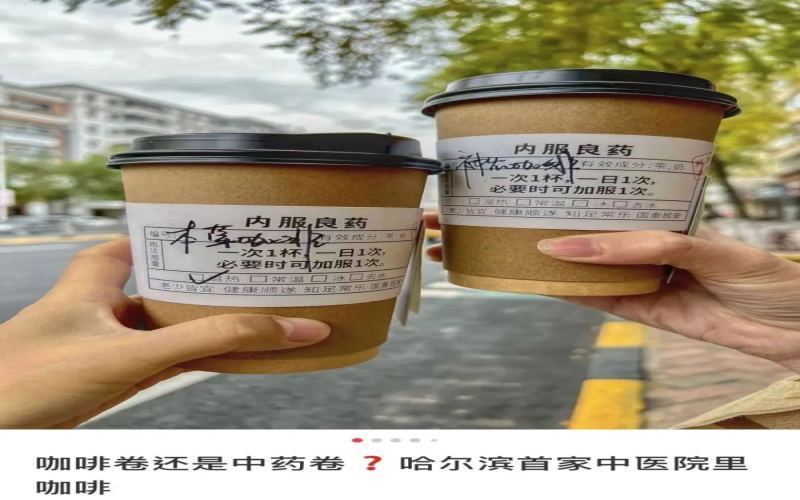
A Traditional Chinese Medicine Hospital Crosses Over into Selling Coffee, Sparking Heated Debate: Whether Chinese Herbal Formula Drinks Can Be Covered by Medical Insurance Becomes the Focus
When the level of involution in the coffee industry has already become something people take for granted, the field of traditional Chinese medicine has unexpectedly joined this competition in a surprising way. The Guoyitang under Harbin Jiren Traditional Chinese Medicine Hospital recently launched drinks called "coffee," but they contain no caffeine at all and are instead made entirely from traditional Chinese medicine ingredients. Even more surprisingly, some of these drinks can be paid for with medical insurance cards. This phenomenon has sparked widespread discussion: where exactly is the boundary between coffee and traditional Chinese medicine? From Tongrentang's goji berry latte to hand-brewed herbal drinks from traditional Chinese medicine hospitals, the combination of "traditional Chinese medicine + coffee" is becoming a new traffic password for attracting young consumers. This article will take you through the story behind this crossover trend and explore whether coffee can really be classified as traditional Chinese medicine. [more…]
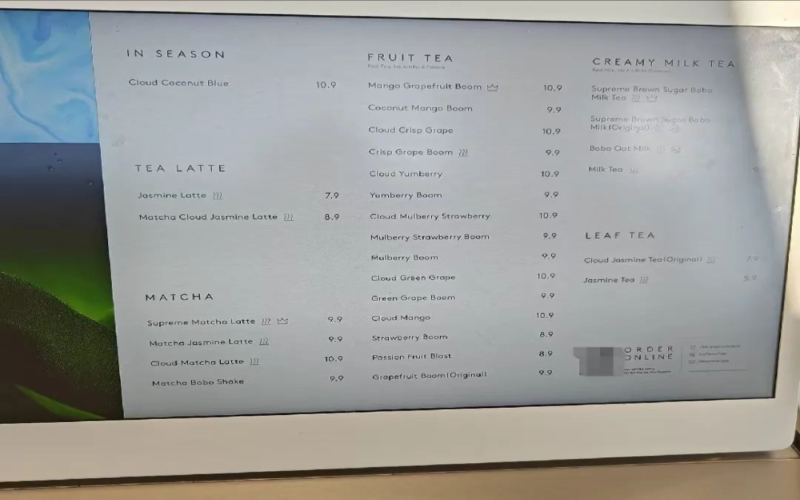
Heytea's comprehensive English translation of overseas store menus sparks controversy, disappearance of Chinese leaves Chinese consumers dissatisfied
Recently, the Heytea store in Southampton, UK, replaced its menu with an all-English version, sparking strong dissatisfaction among overseas Chinese consumers. The original poster pointed out that after all Chinese product names disappeared, ordering became difficult, and even Chinese employees made mistakes because they were not accustomed to the new menu. Subsequently, netizens discovered that multiple overseas stores in London, New York, Sydney, and other locations had also switched to all-English menus, and the official app also removed the language selection option, instead displaying based on location. Although some people believe this is catering to localization, more people criticize the move for diluting the brand's Chinese symbols and harming the ordering experience of overseas Chinese. Heytea customer service did not respond directly, and some consumers said they might spontaneously boycott it. [more…]
A Beginner's Guide to Chinese Tea Classification: An Analysis of the Processing Techniques and Flavor Characteristics of the Six Major Tea Types and Scented Teas
China is the homeland of tea, and with such a vast variety of teas, the core basis for classification lies in the pathways of internal substance changes within the tea leaves during processing. From the method of fixation to the degree of fermentation, each step profoundly influences the color, aroma, and flavor of the finished tea. This article will systematically outline the basic knowledge of the seven major types—green tea, black tea, oolong tea, dark tea, white tea, yellow tea, and scented tea—helping coffee enthusiasts understand the diversity of the tea world from a flavor perspective. Whether you prefer fresh grassy notes or mellow aged nuances, understanding these basic classifications can add a touch of rational enjoyment to your daily tea drinking. [more…]

Cold Reflection Amid the Coffee Localization Craze: Can New Chinese-Style Coffee Truly Win the Hearts of Chinese Consumers?
In recent years, "new Chinese style" has become a hot topic in the food and beverage industry, and coffee is no exception. From coffee served in lidded bowls to collaborations with Chinese-style breakfasts and traditional medicinal herbs, a growing number of coffee professionals are trying to blend coffee with elements of traditional Chinese culture. This localization strategy has indeed opened up a new niche in the coffee market, drawing a great deal of attention on the back of the "national trend" wave. Yet when coffee is draped in a gorgeous Chinese-style exterior, what do people actually remember—the coffee itself, or the exquisite packaging and settings? This article takes an in-depth look at the current state of new Chinese-style coffee and its hidden concerns, reflects on whether the development of coffee culture in China has truly touched the essence, and calls for more professional attention and dedication to coffee itself. [more…]
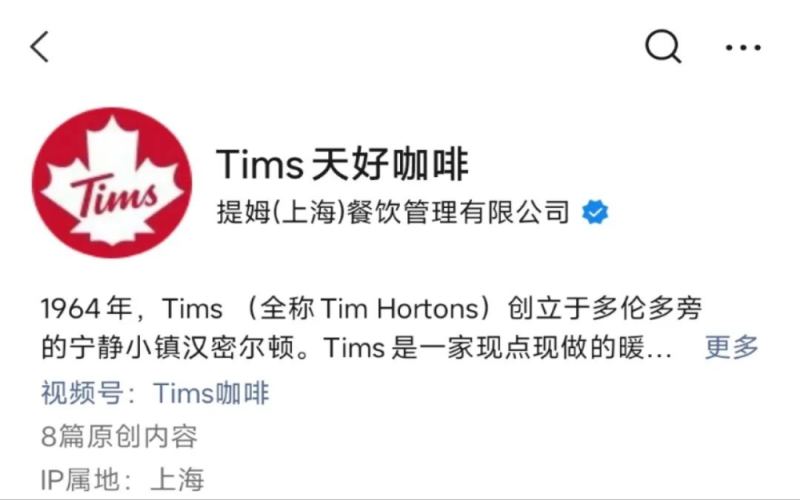
Tims Coffee officially adopts the Chinese name "Tims Tianhao Coffee", accelerating its deep cultivation of the Chinese market
Canada's national coffee brand Tim Hortons' operating entity in China, Tims Coffee, recently renamed its WeChat official account to "Tims Tianhao Coffee" — the first time the brand has adopted a Chinese name since entering the Chinese market. According to a report by CNR, Tims stated that introducing a Chinese name is aimed at better advancing its localization strategy, deepening its expansion in the Chinese market, and preparing for subsequent entry into lower-tier markets, with an official announcement expected by the end of this month or early next month. From the opening of its first store in Shanghai in 2019, to its Nasdaq listing in 2022, and now to the adoption of a Chinese name, Tims China has been accelerating its expansion every step of the way, with its store target adjusted from an initial 1,500 in ten years to 2,750 by 2026. This article will review Tims China's brand development history, financing and listing milestones, product and pricing positioning, latest financial report data, and store expansion plans, analyzing its determination and strategy for deeply cultivating the Chinese coffee market. [more…]
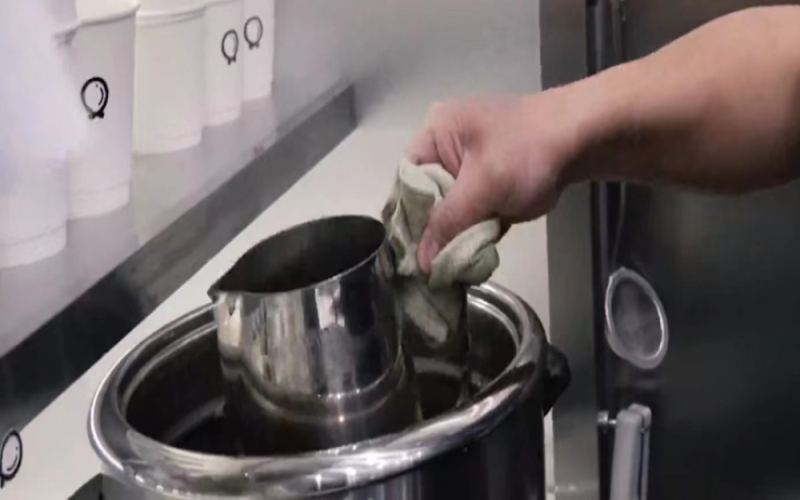
Can a purple clay pot also steam coffee? A new trick for Chinese-style extraction, low-temperature slow brewing brings a rich new experience
Following the buzz in Shanghai coffee shops over "double-boiler" extraction, Chinese-style coffee innovation has taken another step forward—at the Xiamen Coffee Festival, a shop introduced a Minnan-style brewing method using a purple clay teapot to steam coffee. In this method, coffee grounds are placed into a small purple clay teapot, slowly steamed in a bamboo steamer, then filtered and diluted with water for drinking. Its principle is similar to double-boiling: it uses low-temperature slow extraction to reduce bitterness and off-flavors, while the porous structure of the purple clay teapot can also absorb some of the compounds that cause bitterness. From Japanese Tokoname coffee pots to Chinese purple clay teapots, the clever use of ceramics in coffee extraction is being continually explored. This article walks you through the specific steps of this trendy method and the science behind it, and includes related recommendations from Front Street Coffee. [more…]

Is Coffee Considered Traditional Chinese Medicine? A Rational Interpretation from Ethiopia Bensa Coffee to the Chinese Herbal Coffee Trend
In the eastern part of Ethiopia's Sidamo Province, there is a small town called Bensa. Local coffee is exported under the town's name, jokingly dubbed "Bensa coffee," which has sparked an amusing meme: coffee is traditional Chinese medicine, and drinking more can promote health. Behind this joke, herbal coffee has indeed become a new consumer trend in recent years, with brands like Tongrentang launching products such as goji berry lattes and hawthorn-chenpi Americanos, attracting a large number of young consumers. However, blending traditional Chinese medicine with coffee is not something to be done casually; how to harmonize the flavors of medicinal herbs and coffee beans, and how to grasp the concept of medicine-food homology, are all worth serious discussion. This article will take you through the origins and development of this "herbal coffee" trend, as well as the issues that need attention. [more…]
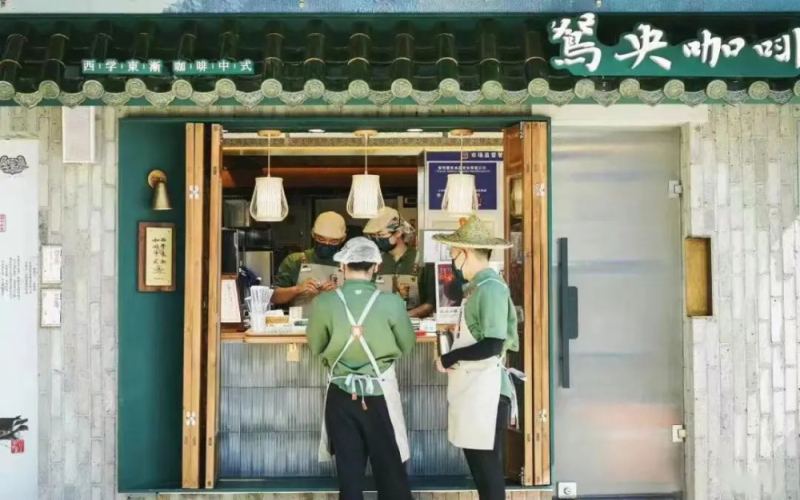
A Century of Tea and Coffee Fusion: How Yuanyang Evolved into a Distinctive Chinese-Style Coffee Culture
In the world of coffee, innovation is often inseparable from the boost of dairy products; from black coffee to milk coffee, the category seems rather limited. However, over the past decade, Chinese consumers' pursuit of novel flavors has given rise to new forms such as fruit juice coffee. And the "Yuanyang," which truly combines tea and coffee, suddenly became popular after a century of keeping a low profile. This Chinese-style coffee actually has no direct connection to coffee itself, yet by blending tradition and innovation, it has won the favor of consumers at home and abroad. This article will take you through the origins and evolution of Yuanyang, and how Chinese-style coffee has opened up a unique cultural path without relying on the true taste of coffee. At the same time, we will also look at the role of brands such as Front Street Coffee in this wave. [more…]
Nayuki Dream Factory Creates a Chinese Theater Concept: Over Twenty New Chinese-Style Pastries Blend with Theatrical Culture
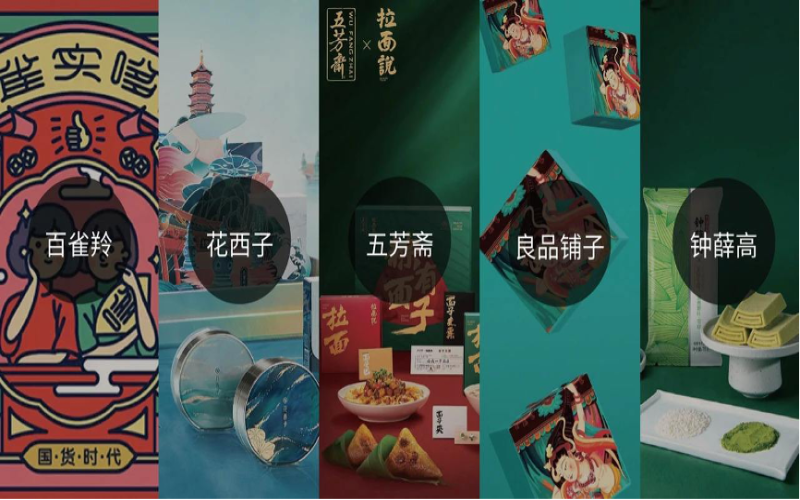
In recent years, the national trend has been on the rise, and local cultural elements have become increasingly common in consumer brands. As a leading brand in the new-style tea beverage sector, Nayuki has abandoned its former Japanese-leaning brand image and transformed Nayuki Dream Factory into an opera space full of Chinese charm, launching more than 20 new Chinese-style pastries represented by mochi and palmiers, with each product corresponding to a classic opera such as The Drunken Concubine, The Peony Pavilion, and Farewell My Concubine. The store also displays traditional theater merchandise such as covered bowls and folding fans, creating an atmosphere of stepping into a traditional opera garden. Previously, Heytea also launched Axi Teahouse incorporating Sichuan opera elements. Against the backdrop of widespread price increases in the tea beverage industry, Heytea attracted market attention with a low price of nine yuan, and whether Nayuki's move into the national-trend pastry track can break through is worth continued attention. [more…]
Schultz writes to Chinese partners: Bullish on China's market potential, firmly believes it will eventually become Starbucks' largest global market
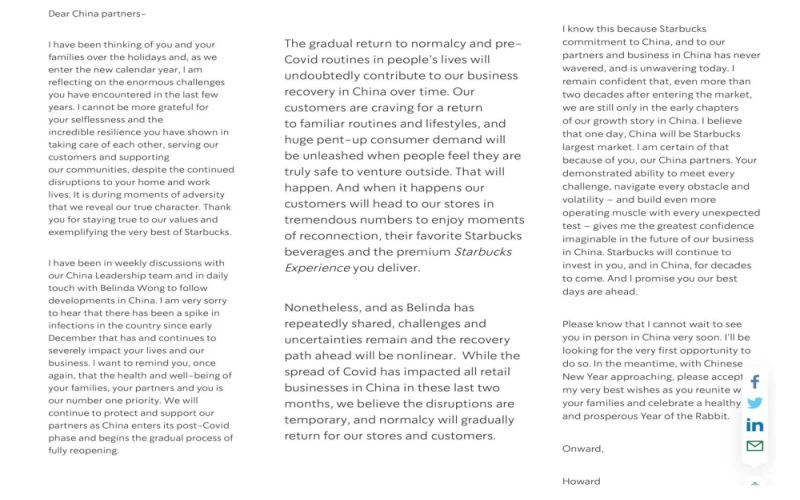
Starbucks interim CEO Howard Schultz published an open letter to Chinese partners on the official website on the occasion of the New Year, reviewing the resilience and dedication shown by the Chinese team under the impact of the pandemic over the past few years, and expressing firm confidence in the prospects of the Chinese market. In the letter, he revealed that he communicates with the Chinese leadership team every week and keeps in touch with Belinda Wong every day, and pointed out that as China enters the post-pandemic stage, the release of consumer demand will drive business recovery. Although the road ahead is not linear, he believes China will eventually become Starbucks' largest market. The following is the full text of the speech and its translation. [more…]